Bleeding Radiators Edinburgh - DIY Tips and When to Call an Engineer
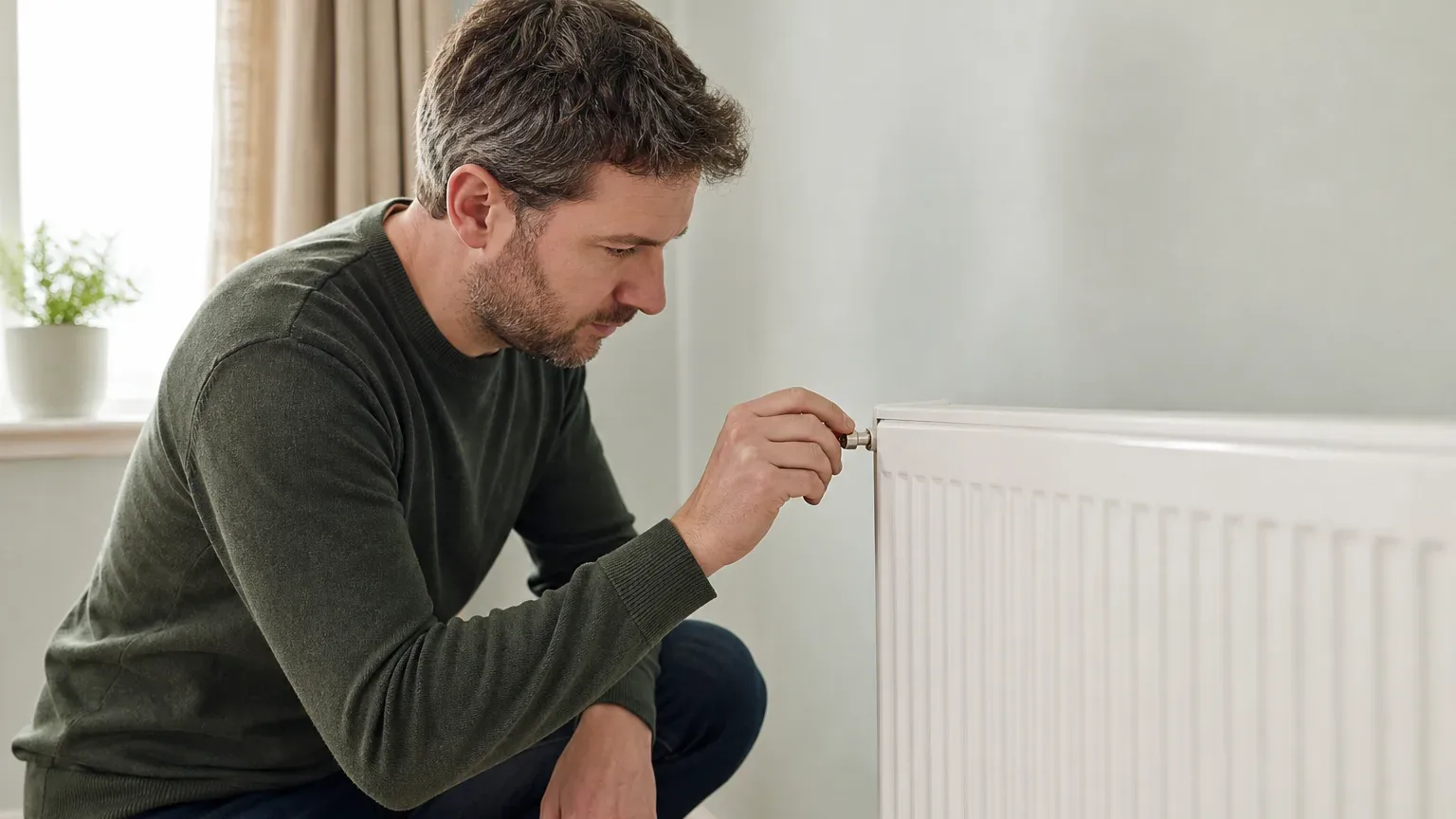
A cold patch at the top of a radiator almost always means trapped air. Air accumulates in the system over time, rises to the highest point inside each radiator, and stops hot water from filling that space. The result is uneven heat, higher energy bills, and a boiler that runs longer than it should to reach your target temperature.
Why Edinburgh Homes Are Prone to Air in Radiators
Older tenement flats and Victorian terraces across Edinburgh often have ageing pipework with small leaks or slightly loose joints that allow air to enter the system. Even modern central heating systems lose dissolved gases over time as water circulates at temperature. Properties with multiple floors, particularly those in the New Town or Marchmont, frequently see the top-floor radiators affected first because air rises through the system.
If your boiler pressure drops regularly, that is a separate but related sign. Low pressure often accompanies a system that needs bleeding, though it points to a slow water loss as well.
What You Need Before You Start
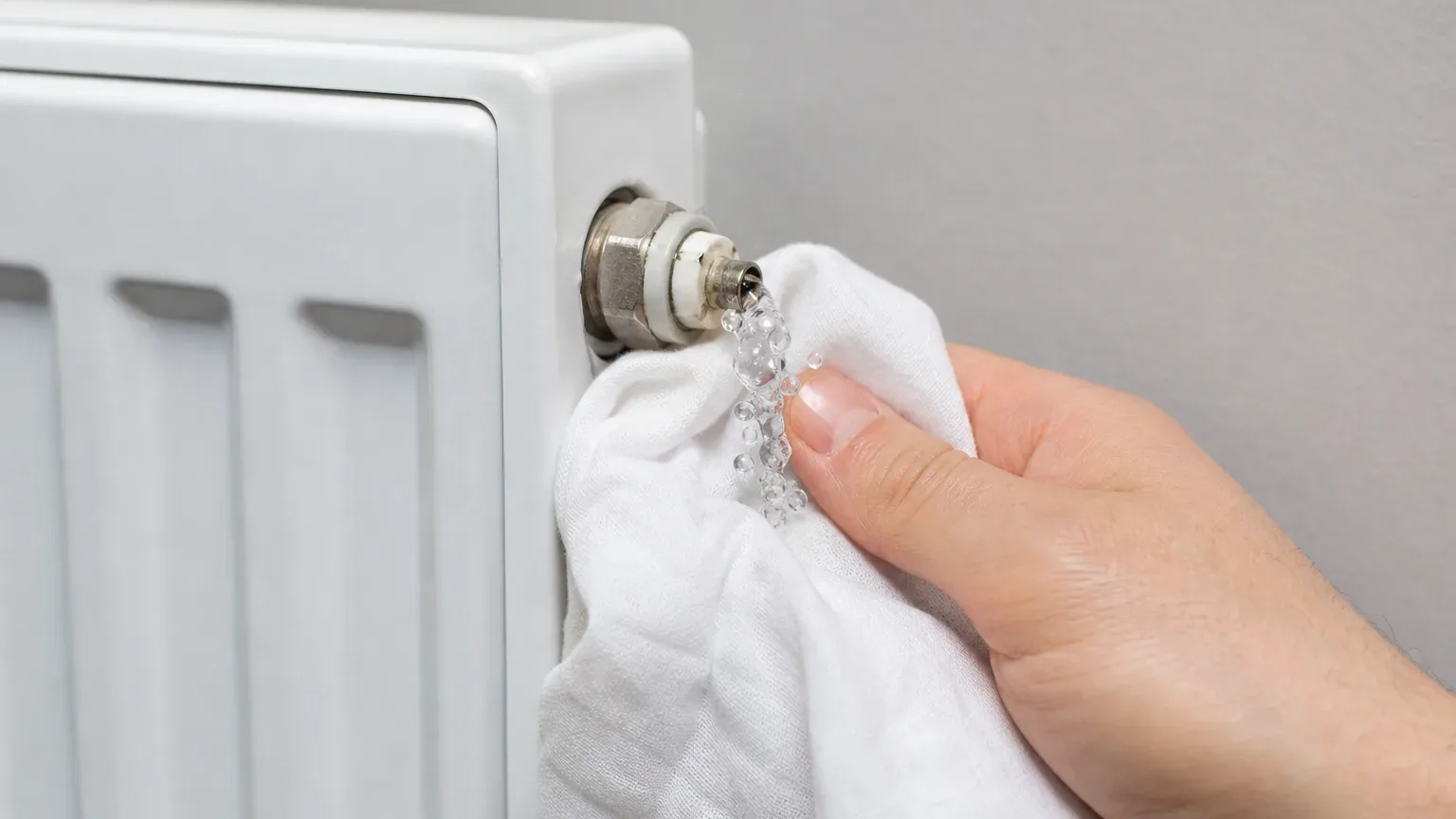
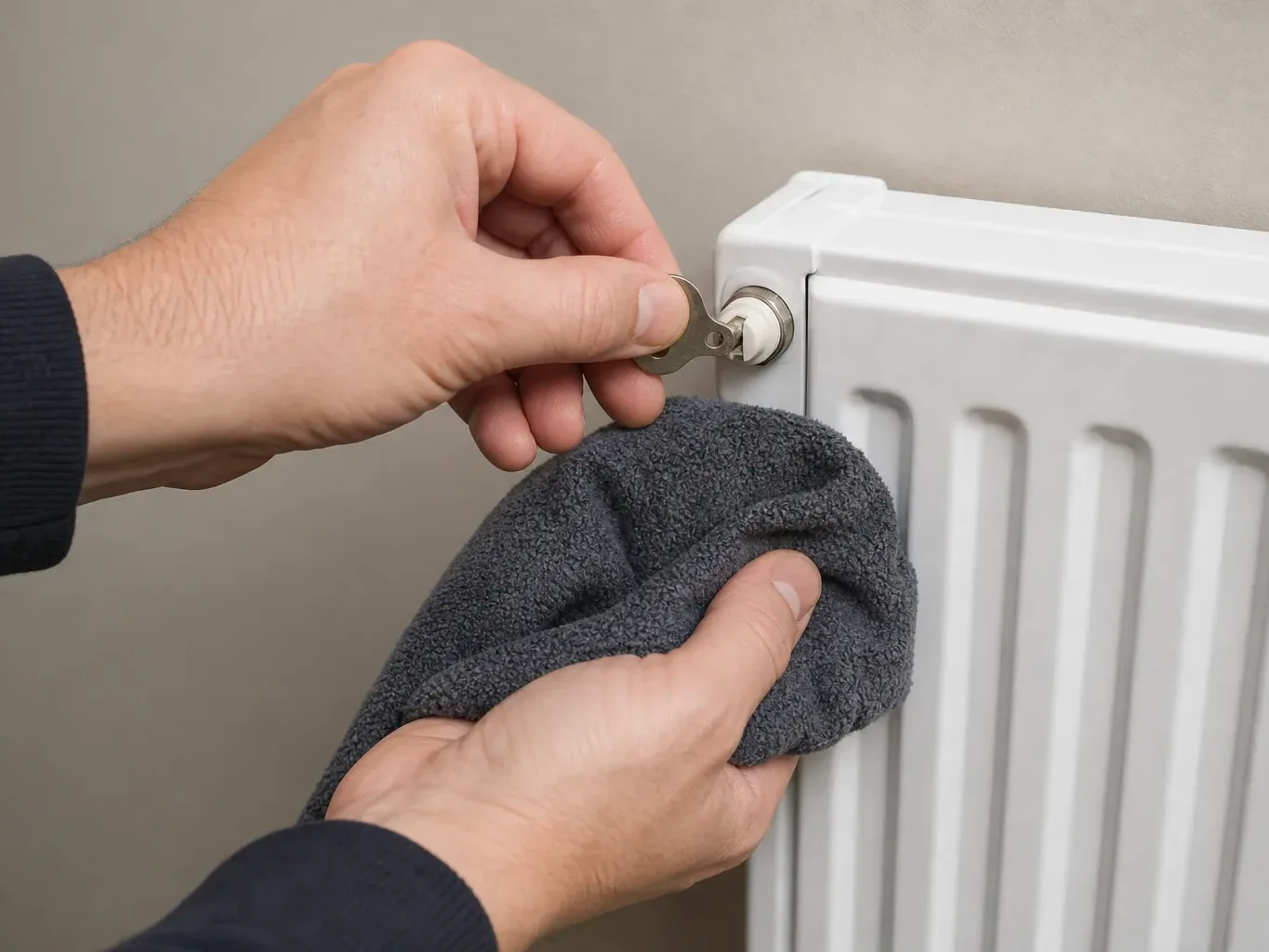
The equipment is minimal. You need a radiator bleed key, which costs under £2 at any Edinburgh DIY shop, and a cloth or small bowl to catch the water that escapes. Some older radiators take a flat-head screwdriver instead of a key, so check the valve square before you begin.
Turn your heating on and let the system reach full temperature first. This lets you identify exactly which radiators are cold at the top. Once you have located the problem radiators, turn the heating off and let the system cool for 20–30 minutes. Bleeding a hot system under pressure risks scalding water spraying from the valve.
Bleeding Radiators Procedure Edinburgh - Step by Step
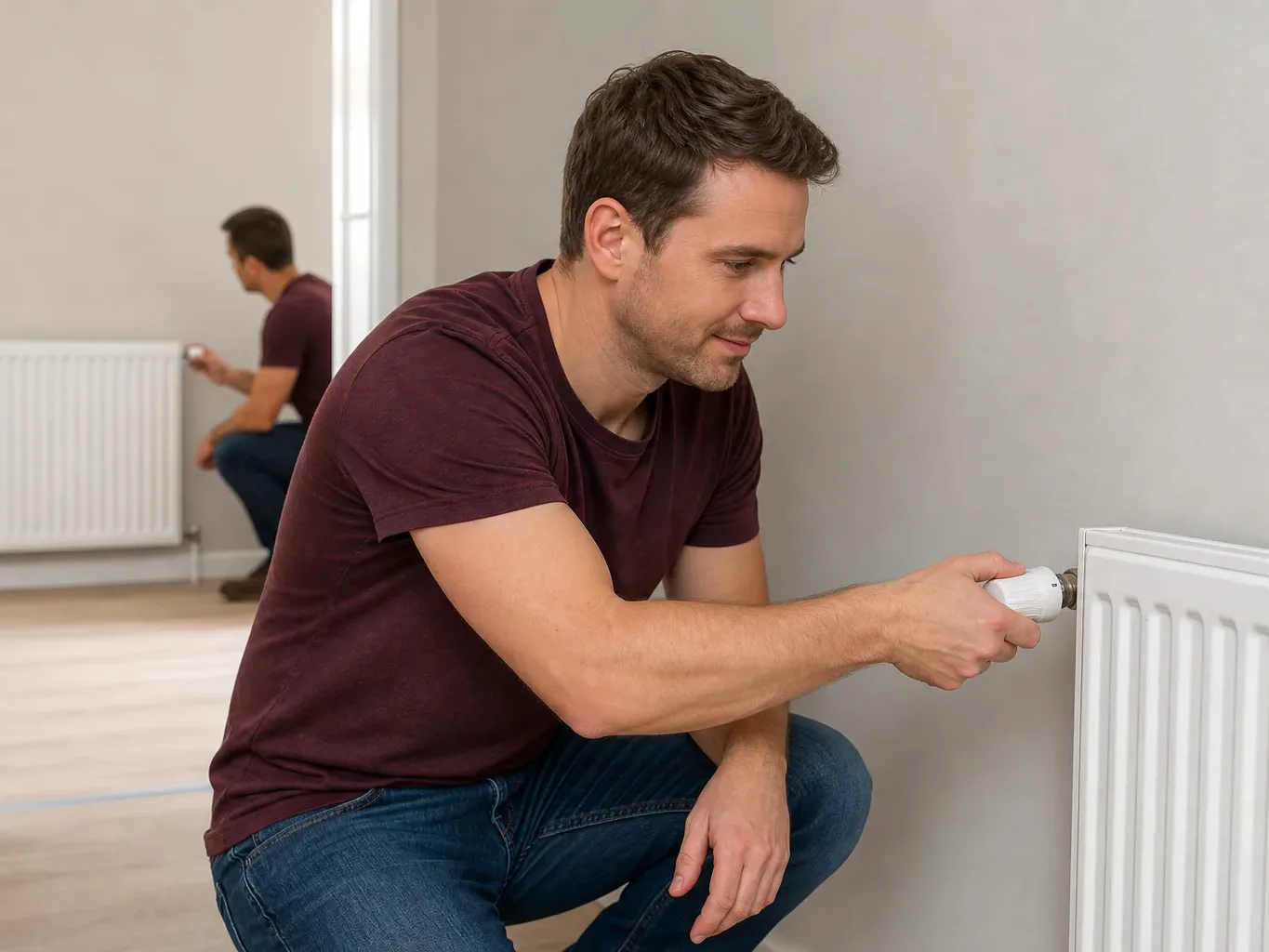
Insert the bleed key into the square valve at the top corner of the radiator, typically on the right-hand side. Turn it slowly anticlockwise, no more than half a turn. You will hear a hissing sound as air escapes. Hold your cloth underneath because water will follow once all the air has cleared.
When a steady stream of water flows without any more hissing, close the valve clockwise until it is snug. Do not overtighten, as the soft valve seat can be damaged. Move to the next radiator and repeat the process, working from the ground floor upward.
Once you have bled every affected radiator, check your boiler pressure gauge. Bleeding releases water from the system, which can drop the pressure below the normal operating range of 1–1.5 bar. Top it up via the filling loop, usually a flexible braided hose beneath the boiler, until the gauge reads around 1.2 bar.
How to Tell If Bleeding Has Worked
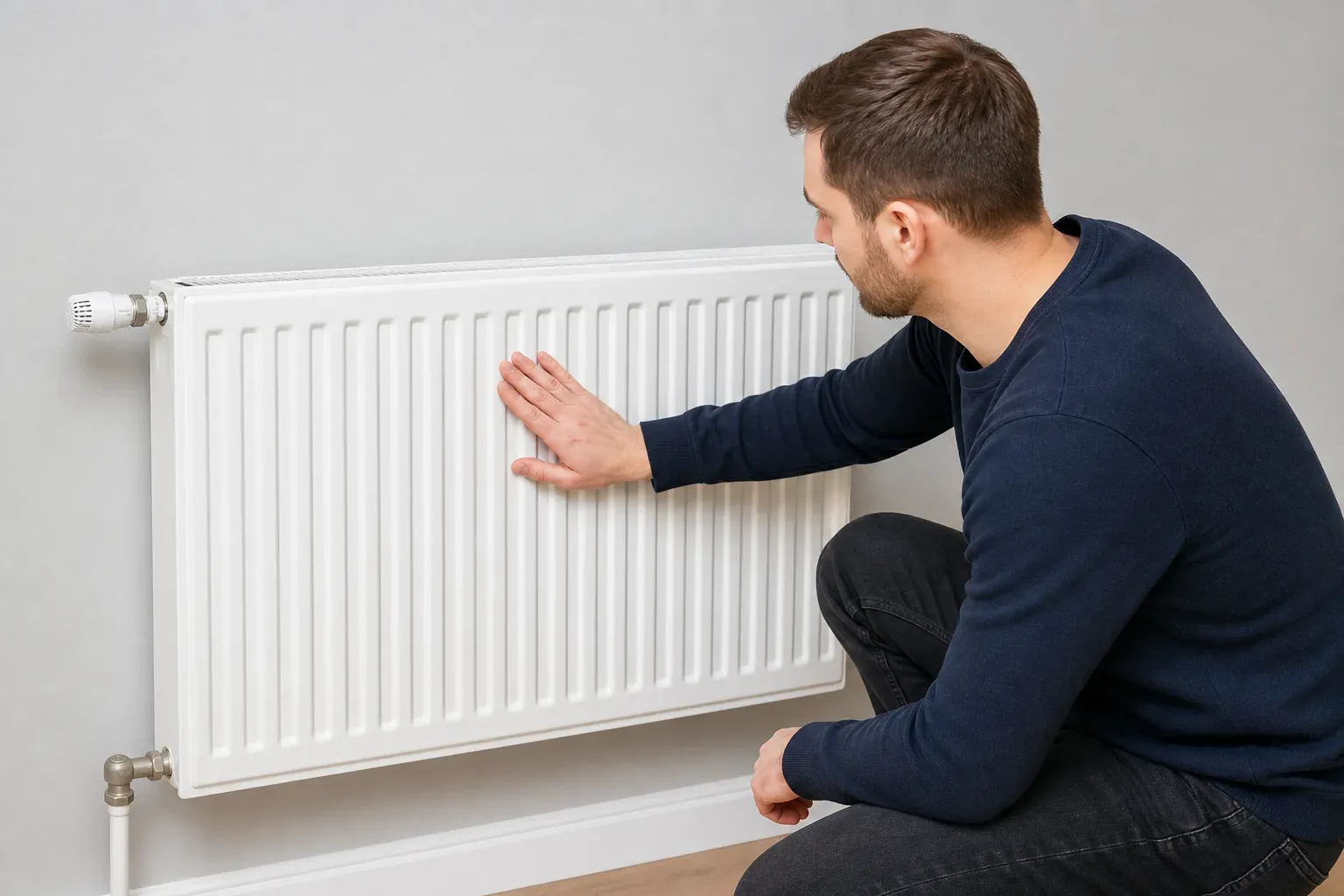
Reheat the system and feel the full surface of each radiator. A successfully bled radiator heats evenly from top to bottom within 15 minutes of the heating coming on. If cold patches remain at the top, the valve may not have opened far enough, or there is still air trapped that did not fully escape in the first pass.
Run the system for a full cycle, then check again. Persistent cold spots after a second bleed suggest the issue is not just trapped air.
When Bleeding Does Not Fix the Problem
If the same radiators need bleeding every few weeks, air is re-entering the system faster than normal. This points to a fault rather than routine maintenance. Common causes include a failing automatic air vent, a micro-leak drawing air into the pipework, or a faulty pump that is not maintaining adequate circulation.
A radiator that is cold at the bottom rather than the top has a different problem entirely: sludge and magnetite deposits settling inside. Bleeding will not help here. A power flush is the standard treatment, typically costing £300–£500 for an average Edinburgh home with 8–10 radiators. Adding a magnetic system filter after the flush helps prevent the sludge returning.
Cold Radiators After Bleeding - Other Causes
A thermostatic radiator valve (TRV) stuck in the closed position will leave a radiator cold regardless of how well the system is bled. The pin inside the valve body seizes, especially in rooms that have been cool for a long time. You can sometimes free it by removing the TRV head and pressing the pin manually, but replacement is often the tidier solution.
Balancing is another overlooked cause. If some radiators in your Edinburgh home heat quickly while others take much longer, the system may not be balanced correctly. A plumber or heating engineer adjusts the lockshield valves to distribute flow evenly across all radiators.
When to Call a Gas Safe Registered Engineer
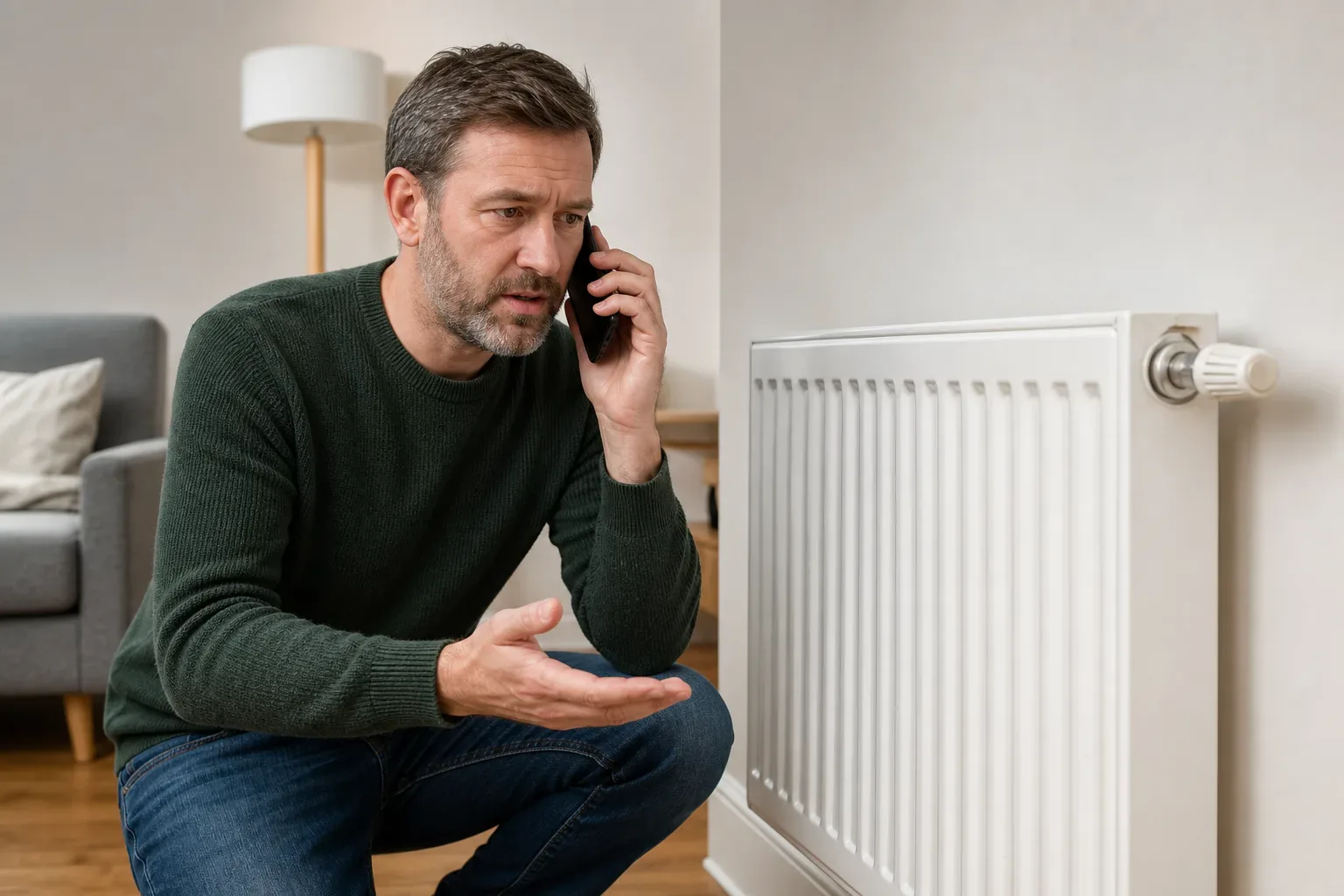
Call an engineer if you find water escaping from any valve, joint, or pipe during the bleeding process. Any leak that does not stop when the valve is closed needs immediate attention. Similarly, if your boiler pressure keeps dropping despite topping it up repeatedly, that indicates a leak somewhere in the system that requires a professional diagnosis.
Low boiler pressure itself is not a gas emergency, but a persistent pressure fault means the system is losing water. Left unaddressed, it will damage the boiler pump and heat exchanger over time. A diagnostic callout in Edinburgh typically costs £80–£150 for the visit and first hour of labour on a weekday.
Any work on the boiler itself, including replacing components or addressing pressure faults internal to the unit, must be carried out by a Gas Safe registered engineer. You can verify registration by asking to see the engineer's Gas Safe ID card on arrival, which shows the gas types they are qualified to work on.
Landlord Obligations in Edinburgh
If you are a landlord, poorly heated rooms caused by air-locked or sludged radiators affect your legal obligations around property condition. Beyond that, you must hold a valid Gas Safety Certificate (CP12) renewed every 12 months. Annual servicing, which costs £80–£120 for a standard visit or £90–£130 combined with the CP12, keeps the heating system running efficiently and supports your compliance position.
Getting the Most from Your Central Heating
Bleeding radiators once a year at the start of the heating season is a sensible routine for most Edinburgh homes. If you have an older system without a magnetic filter, fitting one costs relatively little and significantly reduces the sludge that settles in radiators over winter. A system in good condition, properly bled and balanced, will reach target temperature faster, reduce gas consumption, and extend the working life of the boiler toward the upper end of the typical 10–15 year range.
If you have bled your radiators and still have cold spots, persistent pressure drops, or a radiator that stays cold regardless, contact a local Gas Safe registered heating engineer for a proper assessment. Catching a small fault early almost always costs less than dealing with a breakdown mid-winter.
Frequently Asked Questions
What Is the Bleeding Radiators Procedure in Edinburgh?
Turn the heating on to identify cold radiators, then switch it off and let the system cool for 20–30 minutes. Insert a bleed key into the valve at the top corner of the radiator and turn it anticlockwise half a turn until hissing stops and water flows steadily, then close the valve. After bleeding all affected radiators, check your boiler pressure and top it up to around 1.2 bar if it has dropped below 1 bar.
How Often Should I Bleed My Radiators?
Bleeding once a year at the start of the heating season is sufficient for most homes. If the same radiators need bleeding more frequently, this suggests air is re-entering the system, which points to a fault such as a micro-leak or a failing automatic air vent that a heating engineer should investigate.
Why Does My Radiator Stay Cold at the Bottom After Bleeding?
Cold at the bottom is caused by sludge and magnetite deposits settling inside the radiator, not trapped air. Bleeding will not resolve this. A power flush, which typically costs £300–£500 for an average Edinburgh home with 8–10 radiators, clears the deposits and restores full heat output.
Do I Need a Gas Safe Engineer to Bleed Radiators?
No, bleeding a radiator is straightforward DIY maintenance that does not involve gas work. However, if you find a leak at any valve or joint, if your boiler pressure drops repeatedly, or if the fault lies within the boiler itself, a Gas Safe registered engineer must carry out the repair.
What Should I Do If My Boiler Pressure Drops After Bleeding Radiators?
A small pressure drop after bleeding is normal because you have released water from the system. Top up the pressure using the filling loop beneath the boiler until the gauge reads around 1.2 bar. If the pressure continues to drop over the following days without further bleeding, the system likely has a slow leak that a heating engineer should locate and fix.